Selling cakes from home: check your recipe before your first order
Published · Updated By Jono Farrington · 7 min read
Sometimes, but “no food licence” does not mean “no requirements”. Some plain cakes and cupcakes may qualify for lighter requirements, while fresh cream, custard and other fillings can change whether your home kitchen is suitable. The answer depends on your recipe, state or territory, and council. You may still need notification, registration or approval before selling.
Across Australia, Food Standards Australia New Zealand’s home-business guidance says home food businesses must meet the same food safety requirements as other food businesses, regardless of size or how often they sell. Starting with one weekend order is not a food-safety exemption.
What does “without a licence” actually mean?
These terms describe different administrative steps. Treat the explanations below as a way to understand the question, not as interchangeable legal definitions:
- Notification: telling the relevant authority about your business and food activities. It is not a blanket approval of every recipe.
- Registration: registering your food business under the applicable system, potentially with conditions.
- Food licence: a licence required for particular food activities under the rules that apply where you operate.
- Council approval: a broader phrase that may involve food premises, planning or another local requirement. Ask which approval the council means.
The useful question is: “What do I need before making these recipes in this kitchen and selling them this way?” That gets a more practical answer than simply asking whether cake sellers need a licence.
Where you live changes the starting point
There is no single Australian home cake licence. Use this table to identify your next conversation, not to self-approve your business.
| Location | What the guidance establishes | Next step |
|---|---|---|
| NSW | Home food businesses selling directly to consumers must notify their local council before trading. | Ask council about your recipes, kitchen and sales channels, plus any additional approvals. |
| South Australia | Food-selling businesses and activities must notify their local council, including one-off sales. | Notify council and ask what assessment your proposed cake range needs. |
| ACT | Home food businesses must register before opening. Home-kitchen registrations are limited to low-risk foods. | Check every icing, filling and decoration against the ACT guidance. |
| Queensland | Cairns council guidance treats cakes and cupcakes without fresh cream as low-risk examples. This is local guidance, not a statewide permission. | Ask your own council whether your exact products need a licence and other approvals. |
| Western Australia | City of Perth guidance requires approval for residential food preparation and identifies plain cakes among the generally permitted foods. | Check your own local government’s requirements rather than applying Perth’s guidance elsewhere. |
| Victoria, Tasmania and Northern Territory | Do not apply another jurisdiction’s cake exemptions or approval categories. | Ask your council or relevant food regulator which registration, notification or licensing pathway applies. |
The starting points above come from the NSW Food Authority’s licensing and notification guidance, South Australia’s food business notification guidance and the ACT’s home-based food business rules. The Queensland and WA examples are specifically from Cairns Regional Council and the City of Perth.
For a broader starting checklist, see our guides to selling food from home in Queensland or starting a home food business in Victoria.
Check the whole cake, not just the sponge
A useful first screening question is whether refrigeration is needed to keep the finished cake safe, rather than just to keep its appearance. In the ACT, the official low-risk definition describes shelf-stable food that does not need refrigeration for safety. Do not turn that into a nationwide exemption.
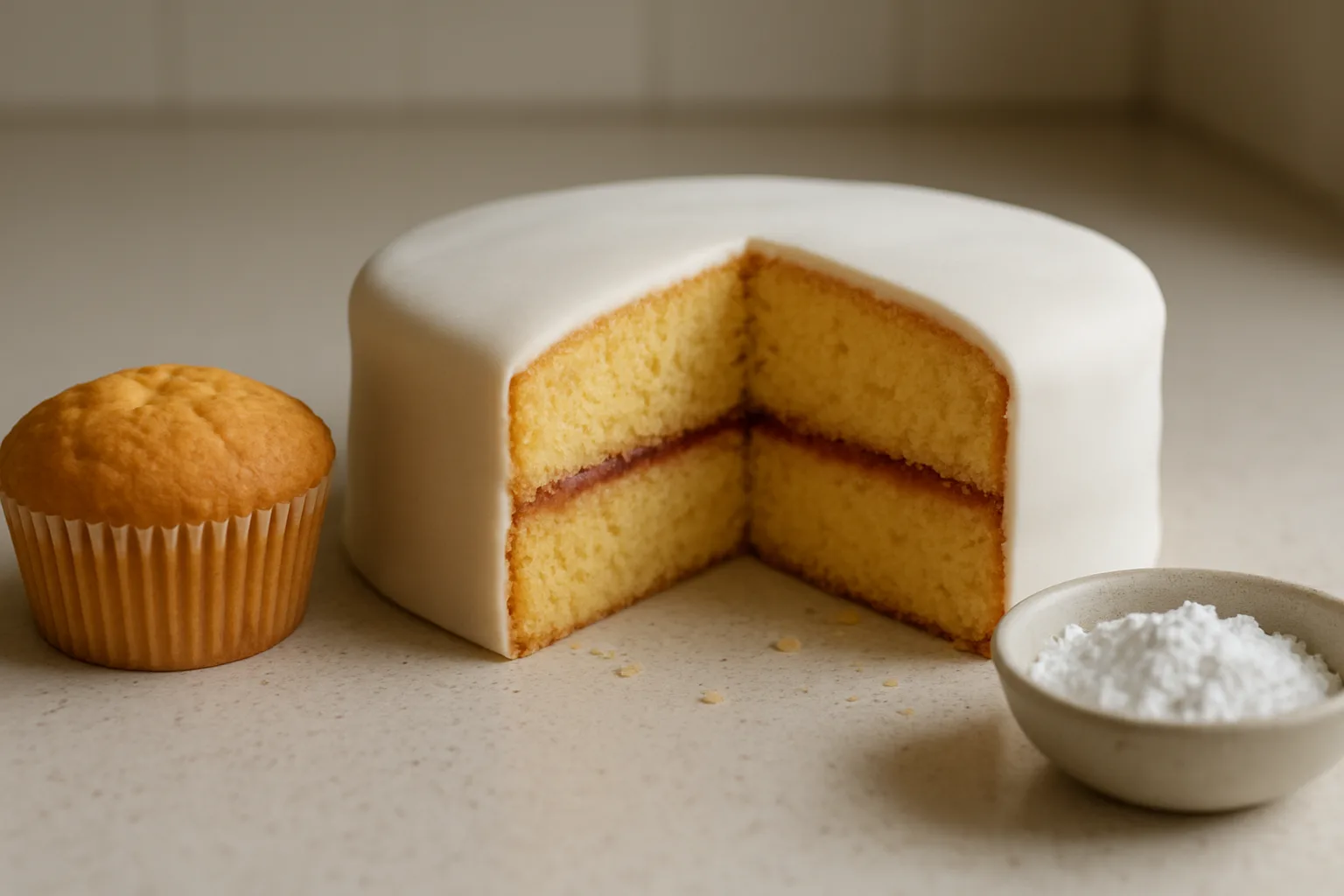
| Cake or topping | What to check before offering it |
|---|---|
| Plain cakes and cupcakes | Ask whether the finished recipe qualifies as low-risk. ACT guidance lists cooked cakes and cupcakes as low-risk examples, but toppings still matter. |
| Fondant or icing-sugar decorations | Check the filling underneath. ACT guidance permits non-potentially hazardous decorations such as fondant and icing sugar. |
| Buttercream or ganache | Do not assume the name establishes safety. In the ACT, dairy or egg-based icings and ganache may require a recipe and laboratory evidence of shelf stability. |
| Fresh cream, custard, curd or fruit fillings | Seek a specific assessment. ACT home-based businesses cannot use cut fruit, fruit purees, cream, custard or curds in icings, fillings or decorations. |
| Cheesecake | Submit the exact recipe and intended storage method. Do not assume a baked cheesecake belongs in the same category as a plain baked sponge. |
| Custom celebration cakes | Describe every layer, filling and decoration. A bespoke design does not answer whether the finished product is suitable for your kitchen. |
Those specific ingredient restrictions are ACT rules, not a list of ingredients banned from every Australian home bakery. Elsewhere, ask the relevant authority to assess your proposed products.
For example, a hypothetical baker might offer a plain sponge with fondant, then receive a request for the same design with custard and cut strawberries. Treat that as a recipe change to check before accepting, not just another flavour option.
A decision tree before you accept a cake order
- Write down the complete product. Include the cake, syrup, filling, icing, decorations and any ingredients added after baking.
- Does it need refrigeration for safety, or are you unsure? If yes, pause and ask for a recipe-specific assessment. If no, ask whether it qualifies for the local low-risk pathway. Neither answer removes the need to check business requirements.
- Can your home kitchen be approved for that product? Send the authority your recipes, process and proposed storage arrangements. In the ACT, home-kitchen registrations are limited to low-risk foods. For other products, ask about a suitable approved premises or commercial-kitchen pathway.
- Where will the cake go? Specify home pickup, delivery, market sales or supply to another business. Ask whether each activity is covered.
- Have all required steps been completed? Obtain confirmation of the applicable notification, registration, licence and premises requirements before opening orders.
Custom cake work does not automatically mean you need a commercial kitchen. Equally, working by appointment does not establish that a domestic kitchen is suitable. The product and the local assessment matter.
Ask about training and supervision too. Australia’s Standard 3.2.2A food safety management tools apply to food service, catering and retail businesses handling unpackaged, potentially hazardous, ready-to-eat food. Ask your regulator whether your activity falls within scope and which tools you need.
Home pickup, online orders and markets: check each route
An online order is still a food sale. FSANZ includes online food sales from home within its home-business guidance. Moving the checkout online does not decide whether you can make the cake in your kitchen.
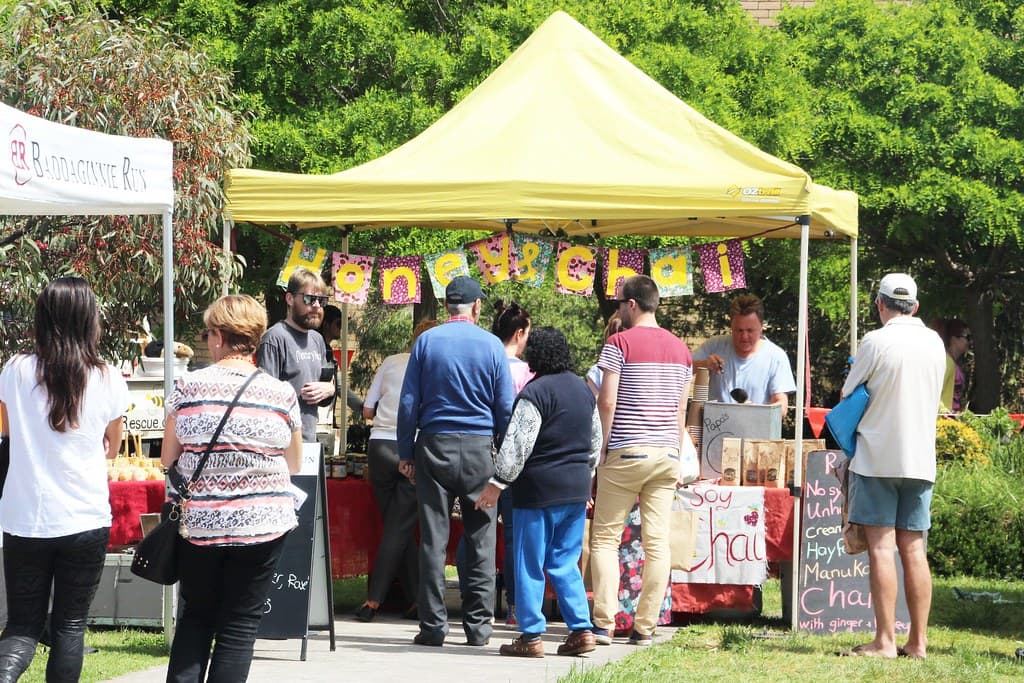
In NSW, home-based business guidance says councils regulate businesses selling directly to final customers, including from the premises or a market. NSW businesses that do not retail directly to the customer must notify the NSW Food Authority instead.
Before adding a market date, ask the organiser and relevant authority:
- Does my current approval cover preparation at home and sales at this event?
- Is a separate stall application or other permission needed?
- What protection, handwashing and temperature-control arrangements are expected?
- What information must accompany packaged cakes or individual portions?
For pickup or delivery, ask how to manage safe storage until handover and what instructions buyers need. A collection appointment can help organise the handover, but it does not replace temperature control.
Your first-batch safety and packaging checklist
Use this as a preparation checklist for your council conversation, not as a complete food-safety plan:
- Recipe records: keep the exact ingredients and supplier information for each offered cake. Check substitutions before changing a recipe that has been assessed.
- Cold storage: where refrigeration is needed, ask for the required temperatures, time limits and monitoring arrangements across preparation, transport and handover.
- Kitchen routines: describe how you will clean, prevent contamination and separate business preparation from household activities.
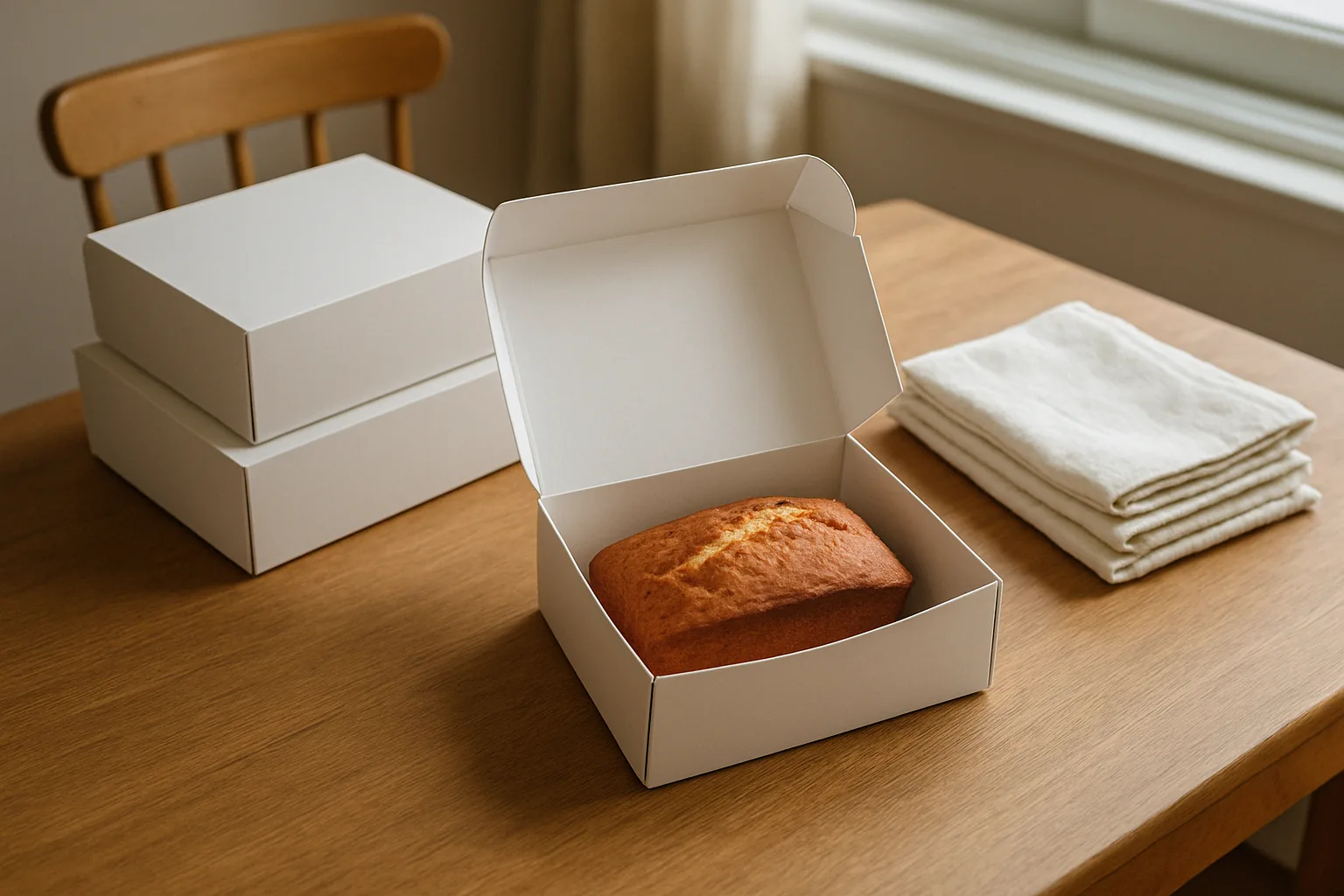
- Packaging: choose food-suitable boxes and supports that protect the cake during the intended trip.
- Labels and allergens: confirm what information is required for your product, packaging and sales channel. A customer-name sticker is not a substitute for required food information.
- Storage instructions: agree on appropriate storage and shelf-life advice rather than guessing a best-before period.
- Order records: keep enough information to identify what you made and who received it if a problem arises.
A useful enquiry is: “I plan to make these attached recipes in my home kitchen, box them individually and sell by Saturday pickup, with occasional market sales. Which products can I make here, and what must I complete before taking orders?”
Turn your checked cake range into manageable pre-orders
Once you have completed the required steps, Vendl pre-order pages give you a way to take orders for a collection day without piecing them together from messages. Vendl organises ordering and handover; it does not assess recipes or grant food-business approval.
- List only your checked range. Use product options for size or flavour, keeping choices within the recipes you have confirmed are suitable.
- Set the order window and collection time. Add the location and buyer notes so customers know when and where to collect.
- Choose payment arrangements. Offer full payment or a deposit through a connected Stripe or Square account, or pay at pickup for collection orders.
- Prepare the batch. Pick Ups & Delivery provides a Make list with totals by product and option, plus a Packing list for individual orders.
- Check before handing over. Mark packed orders ready, then collected. Pay-at-pickup orders can be marked Paid & collected.
Plan deposits carefully: Vendl charges the remaining balance automatically after the collection time. Deposit orders show Balance pending and Hold until paid until payment is complete, so hold handover until then. For a straightforward first collection, consider full payment in advance.
Keep the initial menu small enough that you can follow the agreed preparation, storage and handover arrangements for every cake. Once your range is ready, create a Vendl pre-order page for your first collection day.
Frequently asked questions
- Can I sell cakes just once without notifying anyone?
- Do not assume a one-off sale is exempt. South Australian guidance expressly includes food sales that happen only once in its council notification requirement. Across Australia, FSANZ says home businesses must meet food safety requirements regardless of how often they sell. Check the administrative requirements where you live.
- Can I use a bought filling if the unopened tub sits on a shelf?
- Check its storage requirements after opening, not just before. ACT guidance refers to commercially produced ingredients that remain shelf-stable once opened. Ask your regulator about the finished cake and follow the ingredient’s storage instructions.
- Does notifying council mean there are no other costs?
- No. NSW says notification is free for most businesses, but that does not establish the cost of your complete setup. Ask for an itemised explanation of any applicable inspections, approvals, training or testing before budgeting.
- What if a café asks to stock my cakes?
- Check the supply arrangement before agreeing. In NSW, businesses that do not retail directly to the final customer must notify the NSW Food Authority. If you plan to combine direct sales and café supply, ask council and the Authority which requirements apply to your activities.
Get new guides by email
Practical guides for stall, market and home-food sellers. No spam, unsubscribe any time.
Keep reading
Starting a home food business in Victoria: from kitchen checks to your first order
Before buying equipment or taking orders, check whether your Victorian home kitchen suits your proposed menu. Follow these steps from council questions to a simple paid ordering flow.
Ready to sell homemade food online? Your first-order checklist
Before opening orders, check that your food, kitchen and selling arrangements are ready. Then put labels, payment terms and collection details into one clear first-order plan.
Selling food from home in QLD: a product-by-product licence checklist
Making jam, blending spices and reselling sealed packets are different activities under Queensland food rules. Work through your products, premises and sales channels before asking council to confirm your licence requirements.