When your handmade business needs a shop beyond Etsy
Published By Jono Farrington · 8 min read
Choose Etsy when marketplace discovery brings you profitable customers you couldn't readily reach yourself. Add your own website when you can bring buyers through your own marketing, local sales or permission-based email list, and want more control over repeat orders. There isn't a monthly sales figure that decides it: the useful comparison is what you keep after making the product, paying selling costs and acquiring the customer.
For many makers, the sensible next step is a small hybrid setup rather than an abrupt move. Keep the marketplace work that pays, then test a Vendl shop with traffic you generate independently. Don't assume that marketplace buyer details are yours to reuse for marketing.
Keep the marketplace if its discovery earns its cost
A marketplace and an owned shop do different jobs. A marketplace can help people find you; an owned storefront gives the audience you build somewhere to buy. Australia Post's guide to online marketplaces covers this trade-off and the option of using both channels.
Before treating every marketplace fee as wasted margin, ask what it bought you. An order from a new customer who found your work through marketplace search is different from an order generated by hours of your own social promotion.
- Keep investing in discovery when it brings profitable first-time buyers and you don't yet have another reliable way to reach them.
- Test an owned shop when your market stall, social audience or opted-in subscribers already generate purchase enquiries.
- Review the product itself when neither channel pays adequately for materials, labour and fulfilment. A different checkout won't repair an underpriced item.
For labour-heavy products, start with a sound cost base. Our guide to pricing crochet work to pay for your time shows why counting materials alone isn't enough.
Compare margin after acquisition, not just platform fees
Use your actual Etsy statements rather than one headline percentage. Total the selling charges, payment costs and advertising attributable to those sales, then divide by completed orders. Check how refunds and any taxes on charges affect your figures, and use the same accounting basis for your owned-shop comparison.

For an owned shop, include platform fees, payment processing, any subscription, discounts, promotion and the time spent getting people there. A first-order discount is a selling cost, not free growth.
A hypothetical $50 handmade order
The example below uses AUD. The $50 customer price includes any applicable GST; this is a simplified channel comparison before GST settlement, income tax and general overheads. The marketplace charges and processing allowance are invented planning inputs, not current Etsy or processor rates. Replace them with your own figures.
As of November 2026, Vendl Free has no monthly subscription fee and charges a 2.5% Vendl fee on card, wallet and pay-later payments, with standard payment processing charged separately. The example uses a card payment on that plan.
| Per-order calculation | Hypothetical marketplace | Vendl Free card order |
|---|---|---|
| Customer pays | $50.00 | $50.00 |
| Materials, labour, packaging and fulfilment | $30.00 | $30.00 |
| Selling and payment charges | $6.00 assumed total | $1.25 Vendl fee + $1.25 assumed processing |
| Left before separate acquisition costs and overheads | $14.00 | $17.50 |
| Additional customer acquisition cost | $0 assumed | $5.00 assumed |
| Contribution after acquisition | $14.00 | $12.50 |
The Vendl fee calculation is $50 × 2.5% = $1.25. Before acquisition, the owned-shop order leaves $3.50 more. Spend $5 getting that order and it leaves $1.50 less instead.
At 60 otherwise identical orders a month, the initial difference is 60 × $3.50 = $210. That's the maximum extra acquisition and administration cost the owned channel could absorb before the advantage disappears in this example. It is not a prediction of savings.
This is why monthly revenue alone cannot tell you when you've outgrown Etsy. Your traffic source, order value and repeat-purchase pattern matter more than a universal turnover threshold.
Estimate the traffic you would actually need to replace
Before leaving a marketplace, separate orders you generated yourself from orders it helped you win. Use whatever channel reporting you have, and keep unknown sources in an unknown category rather than guessing.
A simple planning calculation is:
Orders you need to replace ÷ assumed shop conversion rate = visits required.
For example, replacing 60 monthly orders at a hypothetical 2% conversion rate would require 60 ÷ 0.02 = 3,000 visits. The 2% is a planning assumption, not an industry benchmark or a promised Vendl result. Test your own shop before relying on it.
Then give those visits a credible source. Can your market customers, social posts and opted-in email audience produce enough interest? How much time or advertising spend would that take? If the answer is unclear, keep the profitable marketplace channel while you learn.
Signs you're ready to expand include customers asking where to reorder, regular product releases worth emailing about, and local demand for collection. None requires closing your Etsy shop.
Build customer relationships without assuming you own the data
An owned storefront gives you more scope to organise your brand and customer communication. It doesn't mean you own people, have unrestricted rights to their details or become independent of every service provider. A hosted shop still depends on its platform and payment services.
Treat customer information as something entrusted to you for a purpose. For an Australian owned-shop launch, use this practical checklist:
- Collect for a clear purpose. Start with what you need to fulfil the order. Don't ask for extra personal details just because a form could collect them.
- Separate service from promotion. A collection reminder and an email advertising a new range serve different purposes. Don't assume an order email address gives you marketing permission.
- Make your practices clear. Prepare privacy information explaining what you collect, why and how customers can contact you. Check which Australian privacy and electronic-marketing requirements apply to your circumstances.
- Write understandable customer terms. Explain product details, total price, dispatch or collection arrangements, and how to raise a problem. Have your returns and cancellation wording checked against applicable consumer obligations.
- Check portability before relying on it. Ask how you can access, export and delete customer records. Don't infer those capabilities from the phrase “your customer list”.
The ACCC's buying online guidance explains that responsibility for marketplace purchase problems generally sits with the seller, depending on the marketplace model. Moving to your own checkout isn't a way to avoid responsibility to buyers.
This checklist is a starting point, not a determination of your legal obligations. Confirm the privacy, marketing and consumer requirements that apply to your business before launch.
Test a hybrid shop without redirecting marketplace transactions
The practical goal is to build a second route to purchase, not to pull an active Etsy transaction away from its checkout. Exact permissions for links, messages, parcel inserts and customer-data reuse need checking against Etsy's current rules before you use them.
- Choose a small range. Start with products you can photograph, price and fulfil reliably. You don't need to rebuild your entire catalogue to learn whether direct selling works.
- Send independently generated traffic to the new shop. Use your own social channels, market conversations and permission-based email audience. Don't bulk-import marketplace buyer addresses as a marketing list.
- Keep marketplace orders on their original channel. Avoid messages asking someone to cancel or complete an Etsy purchase elsewhere to save fees.
- Let customers make a separate choice. A person who independently finds your shop can buy there and choose whether to hear from you. That is different from assuming permission based on a previous marketplace purchase.
- Track both channels separately. Record orders, selling costs, promotional spend and administration time. Don't assume stock updates automatically between the two shops.
Run a manageable trial, such as six weeks covering one product release. Keep whichever channel produces worthwhile contribution after costs. If the owned shop works only when you spend every evening promoting it, count that work before calling it cheaper.
Use Vendl for the next release, pickup day and repeat order
Vendl combines an online shop with customer records, customer lists and email campaigns. You can add products and organise the shop with categories, your logo and colours. That makes it a practical place to test direct demand without beginning with a large website project.
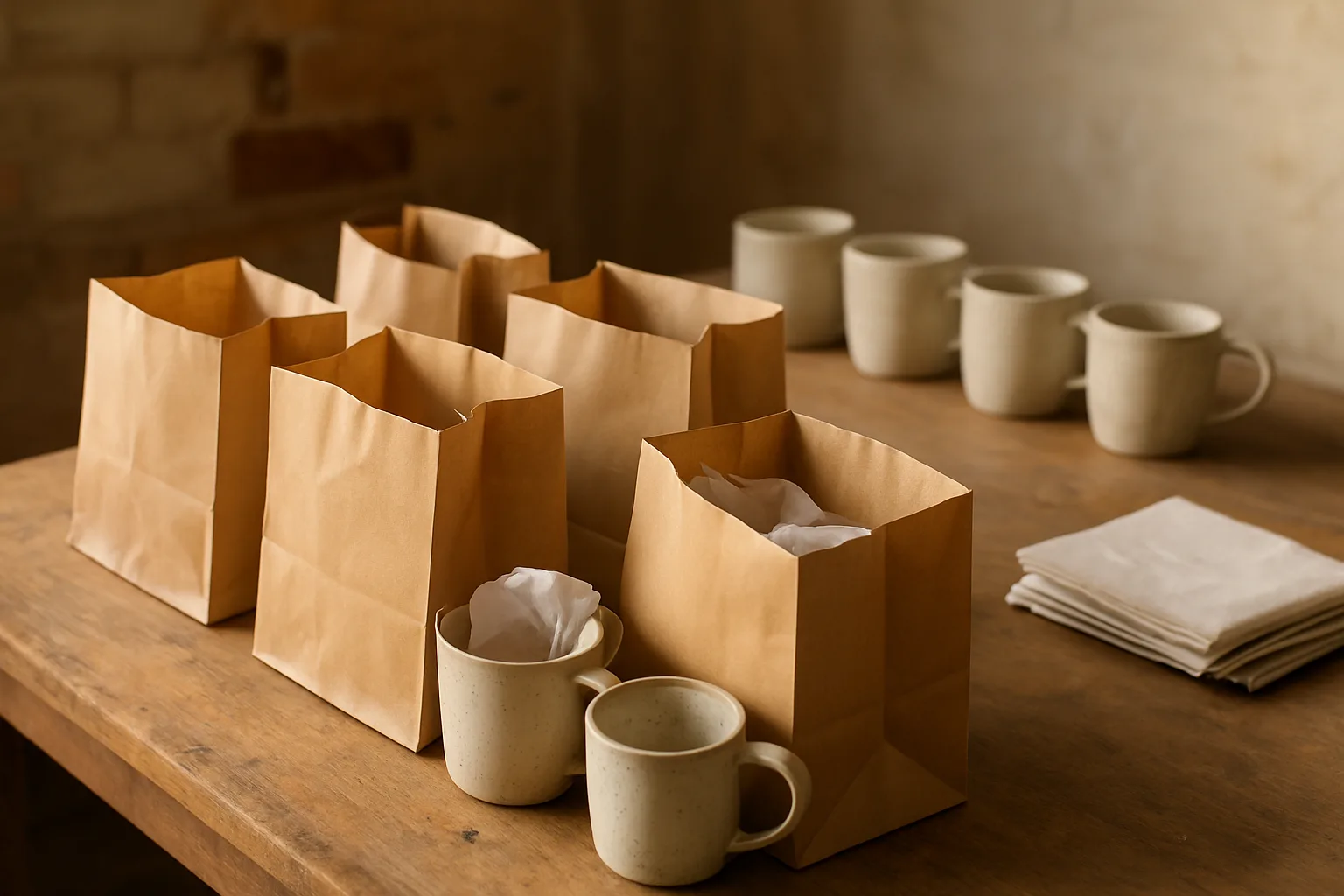
For a hypothetical ceramics maker, the first test could be a small mug release with Saturday collection:
- Set up the release. Vendl's pre-order pages let you choose products, an order deadline and a collection or delivery day. For collection, you can offer full payment, a card deposit or payment at pickup.
- Make handover manageable. Pick Ups & Delivery shows what to prepare and pack, and lets you mark orders collected. If you offer local delivery, define the area and arrangements clearly rather than assuming the software decides your service area.
- Keep service messages separate. Vendl supports order emails for fully paid card orders. Cash, PayID and orders with an unpaid deposit balance are skipped by that order-email workflow.
- Invite the next purchase appropriately. Use Communication for marketing to people you have permission to contact. It supports the “Everyone opted into marketing” audience, includes unsubscribe links and automatically skips unsubscribed people. Sends start immediately; they aren't scheduled campaigns.
- Price any introductory offer. Vendl's first-order discount can be a percentage or fixed amount. Eligibility checks whether the shopper's email has a previous paid order at that Vendl business, so it isn't a cross-platform test of whether someone has bought from you before.
An introductory offer can help you test demand, but it isn't necessary for every maker. In the $50 example, a 10% discount removes $5 from revenue before other costs change. A clear collection date or a useful new product may be a better reason to order.
If you're weighing a larger website build against a focused shop, our Vendl and Shopify comparison explores that next decision. Start with the jobs you need the shop to do, not the longest feature list.
Expand when the second channel proves itself
At the end of the trial, ask three questions: did the shop attract orders from a repeatable source, did those orders leave enough after acquisition and fulfilment, and could you manage the extra channel without disrupting production?
If all three answers are yes, gradually give your independently generated traffic a direct place to buy. Keep Etsy where discovery still earns its costs. If the trial disappoints, adjust the range, offer or traffic source before committing to a full move.
Test your next release with a Vendl online shop and pre-order page, then use the results to decide how much of your business belongs there.
Frequently asked questions
- Should I put my whole handmade catalogue in a new shop?
- Not for the first test. Choose a small range with clear prices, reliable production times and straightforward fulfilment. A narrower range makes it easier to identify whether traffic, the offer or the checkout is limiting sales.
- What if my handmade products rarely need replacing?
- Don't build your forecast around frequent reorders of the same item. Test whether buyers want complementary pieces, gifts or occasional new collections. If repeat demand is weak, assess the owned shop on first-order profitability rather than an assumed lifetime customer value.
- Can I use the same product photos on both shops?
- Check that you hold the necessary rights and that your marketplace agreements allow your intended use. For your own shop, prioritise photos that explain scale, materials and product variations rather than creating a completely new shoot solely to look different.
- Should an owned-shop trial include custom orders?
- Only if you can clearly define the scope, approval process, lead time and payment arrangements. Ready-to-buy products are often a simpler first test because custom enquiries add quoting work that can obscure the cost of acquiring each completed sale.
Get new guides by email
Practical guides for stall, market and home-food sellers. No spam, unsubscribe any time.
Keep reading
Set crochet prices that pay for your time, not just your yarn
A fair crochet price covers more than yarn. Work out your sustainable price, allow for fees and GST, then check ready-made pieces, custom orders and bundles before you list them.
Vendl vs Square Online: choose a setup for market sales and collection days
Keep Square payments, but choose the shop workflow that suits your selling week. Compare pickup orders, market stock, QR checkout and recurring boxes.
Vendl vs Shopify: choose a shop that fits your bake days and markets
If most of your orders end at a market table or local pickup, compare the weekly workflow before choosing your platform. Here’s where Vendl fits, when Shopify makes sense, and how to budget fairly.