Launch your first subscription box with a price and capacity you can sustain
Published By Jono Farrington · 9 min read
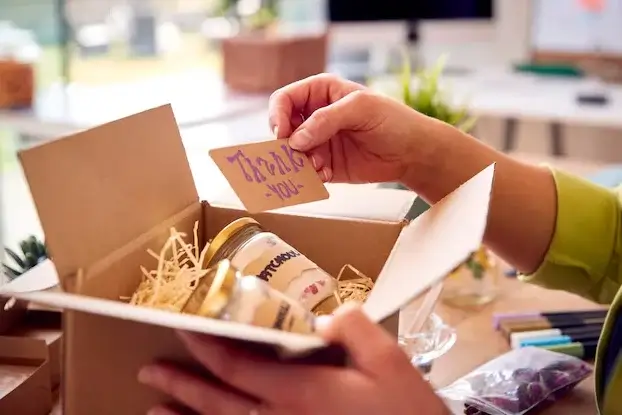
To start a subscription box business, validate one box at its intended price, calculate the full cost of each delivery, and cap your first intake at a quantity you can reliably fulfil. Choose pickup or shipping before taking payments, explain recurring charges and cancellation terms, then expand only after your first customers have received their boxes.
For a home baker, farm-gate seller or maker, the first goal isn't 50 subscribers at any cost. It's proving that each box pays for your work and can arrive as promised. Vendl's recurring box subscriptions can connect billing with packable orders, but your pricing, capacity and customer promises need to come first.
Validate one box before buying bulk stock
Write a one-page subscription box business plan: who it's for, what's inside, how often it arrives, the total customer price, how customers receive it, and your maximum first intake. Start with one offer rather than several sizes and frequencies.
Show potential buyers a real prototype and ask whether they'd buy it at the proposed price. Ask about frequency and handover too. Someone who likes your biscuits may want a monthly gift box, not a weekly delivery.
Stripe's subscription startup guidance recommends validating the concept through market research or a minimum viable product. A practical version for a small producer is a limited, one-off paid pilot before asking for an ongoing commitment.
- Use plain packaging and photograph the actual contents.
- Collect expressions of interest, clearly distinguished from paid orders.
- Offer a small paid pilot with a stated handover date.
- Ask buyers whether they would reorder at the normal price.
- Invite them to subscribe separately. Don't treat a pilot purchase as consent to recurring billing.
There is no universal subscriber count that makes custom packaging worthwhile. Compare the minimum order with your paid demand, storage space and cash buffer. For example, 500 printed boxes represent ten cycles at 50 boxes per cycle, before allowing for cancellations or design changes. Plain packaging may be the safer first purchase.
Price the box, not just its contents
Your price needs to cover making, packing, payment collection, handover and the work of replacing customers who leave. Keep one-off subscription box startup costs separate from per-box costs.

Startup costs might include prototypes, equipment, photography, registration costs and packaging samples. Australia's business.gov.au starting guide recommends calculating startup costs including running costs for the first six months. Build a cash forecast, not just a shopping list.
A worked per-box example
Hypothetical example: a maker who is not GST-registered sells a monthly shipped box for AUD $50, including delivery. These are illustrative costs, not supplier quotes or a card-processing tariff.
| Cost per box | AUD |
|---|---|
| Products or materials | $16.00 |
| Making and packing labour | $6.00 |
| Box, protection and packing materials | $3.00 |
| Postage or delivery allowance | $8.00 |
| Illustrative processor fee allowance | $1.25 |
| Vendl Free fee: $50 × 2.5% | $1.25 |
| Waste and replacement allowance | $1.50 |
| Total variable cost | $37.00 |
The contribution is $50 − $37 = $13 per box, before fixed overheads, customer acquisition and income tax. As of 27 October 2026, Vendl Free has no monthly subscription fee and charges a 2.5% Vendl fee on card payments, with standard processing fees separate. Replace the processor allowance above with your actual fees before setting your price.
If you're GST-registered, have your accountant check the tax treatment of the contents and delivery, and calculate margins on a consistent GST basis.
Budget for churn without pretending you know it yet
Churn is the share of subscribers who leave during a period. You won't know yours before launch, so test scenarios rather than borrowing an industry average.
Suppose 50 subscribers pay each month, 10% leave after that cycle, and acquiring each replacement costs $24. Replacing five customers costs 5 × $24 = $120, or $120 ÷ 50 = $2.40 per box. That leaves $13 − $2.40 = $10.60 towards fixed costs.
With hypothetical fixed costs of $300 a month, break-even is $300 ÷ $10.60 = 28.3, rounded up to 29 boxes, assuming the same costs and replacement rate. This simplified steady-state model excludes the initial cost of acquiring your first cohort. Test lower and higher cancellation rates, then replace assumptions with your own results.
Choose pickup or shipping before promising a price
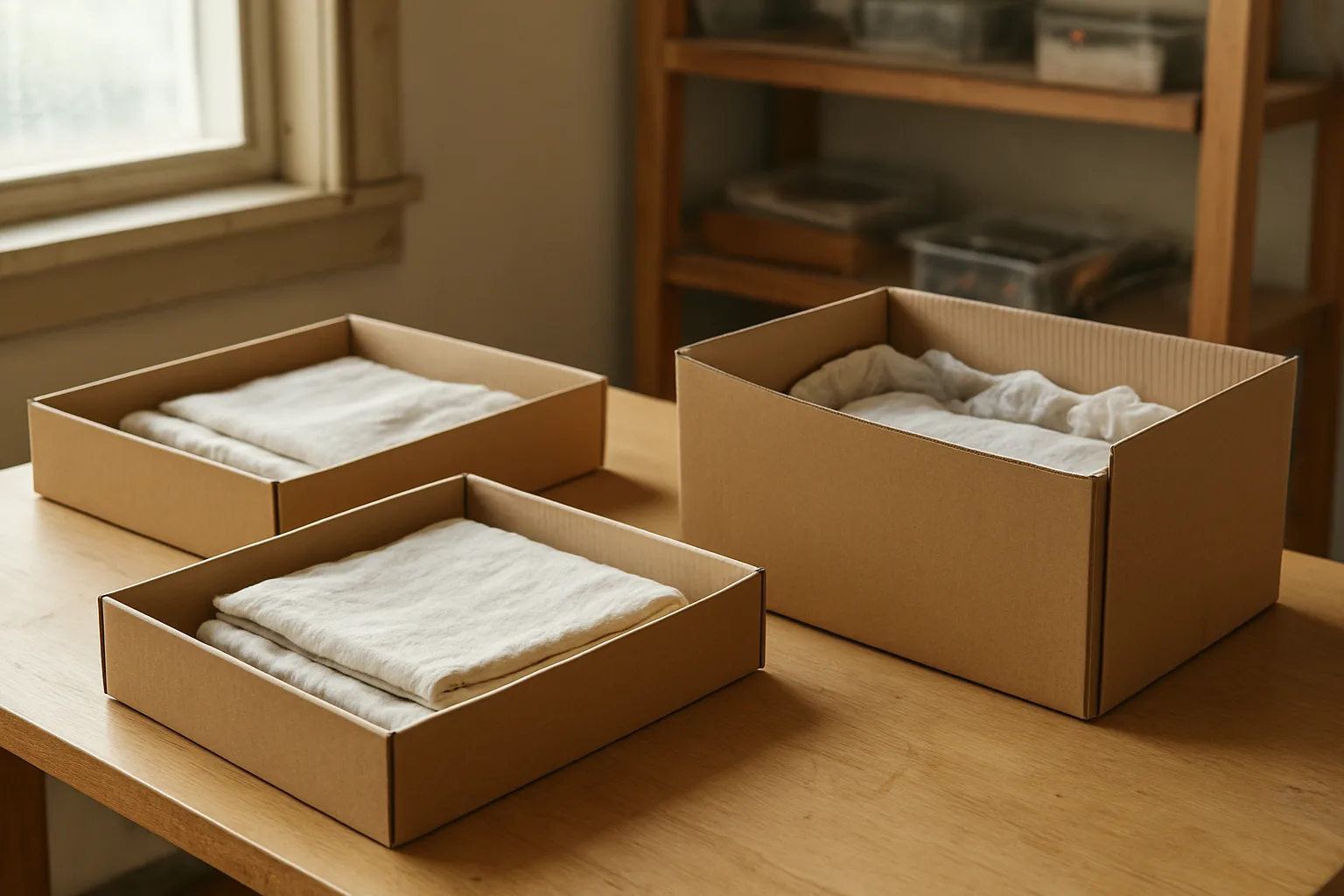
For a first launch, choose the handover method you can test properly. Pickup can avoid postage, but still needs space, a workable collection window and a plan for missed collections. Shipping needs a packed sample, a delivery quote and a realistic allowance for damage or delays.
| Method | Check before launch | Include in the price |
|---|---|---|
| Pickup | Location, collection window and missed-pickup process | Handover time and storage |
| Local delivery | Delivery area, route capacity and unsuccessful handovers | Driving time, vehicle costs and packing |
| Shipping | Packed dimensions, destination quotes and product suitability | Postage, protective packaging and replacement allowance |
Charge shipping separately if costs vary substantially by destination. Build it into the box price if you can support a clear, limited service area at that price. Either way, show the complete recurring cost before customers commit. Don't promise Australia-wide delivery based on one nearby quote.
For food boxes, confirm storage and transport requirements with the relevant authority before offering delivery. The homemade food first-order checklist can help you organise the wider launch questions.
Set a cutoff calendar and a hard capacity limit
Work backwards from handover day. Your cutoff must leave enough time to obtain supplies, make the products and pack orders. Keep three dates distinct: the deadline for joining the next batch, the customer's billing date, and the handover date.
Example launch calendar: close entry to the first Saturday pickup batch at noon on Tuesday, confirm quantities on Wednesday, make and pack on Thursday and Friday, then hand over on Saturday. Publish the local timezone alongside the cutoff.
A recurring billing interval does not, by itself, establish a shared Tuesday cutoff. Check the actual first-charge and renewal timing before promising that every subscriber belongs to the same batch.
- Find the bottleneck. If you can make 40 boxes but only store 30 safely, start below 30, not at 40.
- Reserve room for problems. Leave capacity for replacements and production losses.
- Count existing commitments first. Include renewals, pilot orders and sales through other channels.
- Close new intake at capacity. Move later enquiries to an interest list for a future intake.
- Reconcile before buying. Compare paid orders and upcoming commitments with supplies and production capacity.
In Vendl, each paid subscription cycle removes the box's products from stock. That is useful stock accounting, but don't treat it as a reservation of production capacity for all future renewals. Turn an offer off to stop new sign-ups when your intake is full; that is not a substitute for managing existing subscribers.
Cover Australian setup and fair subscription terms
For Australian businesses, the business.gov.au guide says to choose a legal structure first. Common structures include sole trader, company, partnership and trust. Most businesses need an ABN, which is free to register; a business name must be registered if it differs from your own name, and all businesses need a tax file number.
Other tax registrations depend on your structure, turnover, activities, location and whether you employ people. Licences and approvals also vary by business activity, state or territory and local council. If you're selling food, check with your council and relevant state authority before taking orders. This is general setup information, not legal or tax advice.
Keep records of sales, fees, expenses, refunds and customer communications from the first pilot. Ask your accountant which tax registrations and record-keeping arrangements apply to you.
As of 27 October 2026, the ACCC's 2026–27 enforcement priorities include harmful cancellation terms associated with automatic renewals, early termination fees and non-cancellation clauses. This is an enforcement priority, not a new subscription-specific rule or commencement date.
Before checkout, give customers a short, readable explanation of:
- The contents or selection method, including how substitutions work.
- The recurring price, delivery charge and billing frequency.
- When the first payment occurs and when the first box arrives.
- Whether the subscription continues automatically.
- How to cancel or pause, and when a request affects the next charge or box.
- What happens to an already paid or prepared order.
- How missed pickups, delivery problems and refunds are handled.
Keep cancellation straightforward and have uncertain terms reviewed. Don't assume a blanket 'no refunds' statement settles every situation.
Connect the launch to Vendl's recurring box workflow
Use a Vendl pre-order page for the one-off pilot: it has an Orders close time and a collection or delivery time. Once you've validated the offer, use Recurring box subscriptions for ongoing weekly, fortnightly or monthly card billing.
- Create the products and quantities that make up the box. Its subscription price is the sum of those products multiplied by their quantities.
- Connect Stripe, or Square with subscriptions enabled, and create a Recurring box offer.
- Choose the billing interval and Collect or Deliver handover, with a collection weekday and handover note if needed.
- Share the offer's public link with your launch audience.
- Use Pick Ups & Delivery to view product totals, pack by customer, print labels and mark orders ready or collected.
Each paid cycle creates an order and emails you and the shopper. Vendl's customer lists and email tools can help you invite interested buyers and follow up with customers. Use contacts who have agreed to hear from you. Pre-order add-ons can test demand for an extra item during the pilot; they are not an automatic recurring-box add-on.
Check skip behaviour before writing your policy: in Vendl, shoppers can skip, pause, resume, update their card or cancel through their manage link. A skipped Stripe cycle is still charged but creates no order; a skipped Square cycle is not charged. Don't promise that 'skip' always means 'no payment'. Verify pause and cancellation timing before describing their effect on an upcoming cycle.
Changing a Vendl offer's products or prices affects new sign-ups only; existing subscribers keep their signup price. Cost the launch carefully rather than assuming an offer edit will reprice everyone. For the ongoing packing routine, see the separate guide to running a weekly produce or bake box.
Your first 50 subscribers launch checklist
Treat 50 as a staged goal, not an opening-day promise. A smaller reliable launch gives you better evidence than a large discounted intake.
- Before selling: finish the prototype, cost sheet, registrations check, handover test and plain-English subscription terms.
- First 10 buyers: run the paid pilot, record actual labour and packing costs, and ask what would make them reorder.
- First recurring intake: invite pilot buyers who want to continue, confirm billing behaviour and close intake at your tested capacity.
- Before expanding towards 25: review contribution per box, replacements, missed collections and customer questions.
- Before expanding towards 50: check supply capacity, storage, cash needs and observed cancellations. Recalculate acquisition spending.
- After each cycle: record active subscribers, cancellations and reasons, packing time, refunds and money left after costs.
If the numbers don't work at a small scale, pause recruitment and fix the box, price or handover plan before adding more commitments.
When your pilot is ready to become a repeat offer, create your Vendl account to set up recurring box subscriptions and manage each paid cycle in Pick Ups & Delivery.
Frequently asked questions
- Can I launch a subscription box without offering a discount?
- Yes. A limited pilot at your intended price gives you clearer evidence of willingness to pay. If you offer an introductory discount, show the ongoing price clearly and include the discount in your acquisition budget.
- What if I don't get enough orders for the first batch?
- Decide your minimum viable batch before selling. Explain what will happen if it isn't reached, including how you will communicate with buyers and handle payments. Don't quietly move a promised handover date or substitute a different offer.
- Should every subscription box contain surprise products?
- Not necessarily. Start with predictable contents if that makes purchasing and production easier. If discovery is part of the appeal, explain the selection boundaries, likely quantities and substitution approach so buyers understand what they are committing to.
- Should I offer prepaid annual subscriptions at launch?
- Consider proving several shorter cycles first. An annual payment creates a longer fulfilment commitment, so model future supply costs and set aside the money needed to deliver the remaining boxes rather than treating the whole payment as available profit.
Get new guides by email
Practical guides for stall, market and home-food sellers. No spam, unsubscribe any time.
Keep reading

Set crochet prices that pay for your time, not just your yarn
A fair crochet price covers more than yarn. Work out your sustainable price, allow for fees and GST, then check ready-made pieces, custom orders and bundles before you list them.
Reset your market stall prices without a card surcharge
Australia’s card-surcharge ban changes what customers pay, not whether you have processing costs. Here’s how to build those costs into clear stall prices and check the result against your orders.

Ready to sell homemade food online? Your first-order checklist
Before opening orders, check that your food, kitchen and selling arrangements are ready. Then put labels, payment terms and collection details into one clear first-order plan.